The Blue Zone designation belongs to the town of Nicoya — it's the local population, their diet, their pace, their way of living, that earned the research. The peninsula markets off that proximity. Wellness retreats, surf camps, digital nomad infrastructure. Whether that's the same thing is a question worth sitting with. It was sitting with me before I even left San José.
I hadn't been back to Santa Teresa in almost five years. I went this time for two reasons: to celebrate the birthdays of two of the most important people in my life, and to get an honest read on what's changed, what's stayed the same, and what the area actually looks like for someone considering it as a place to live — not just visit.
Santa Teresa doesn't come up often in positive conversations about expatriation. I wanted to understand why, or whether that reputation still holds.
The short answer: it's complicated. And I'll be honest — it wasn't fully winning me over at first.
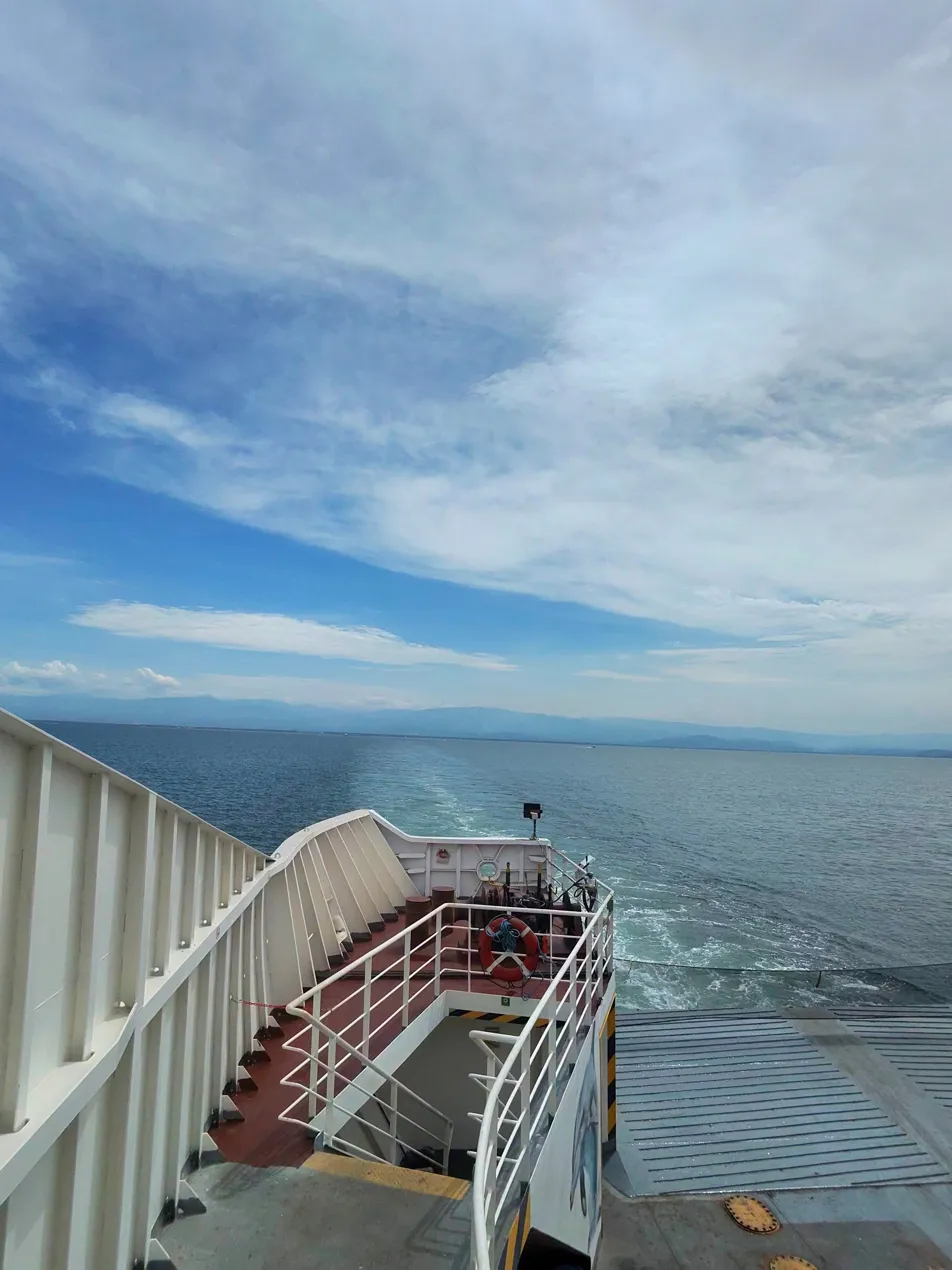
We left San José early Saturday morning, four women, a birthday weekend. The ferry crossing from Puntarenas to Paquera is the part that feels like the trip is actually starting — the water, the air changing, the sense that you're leaving the city behind.
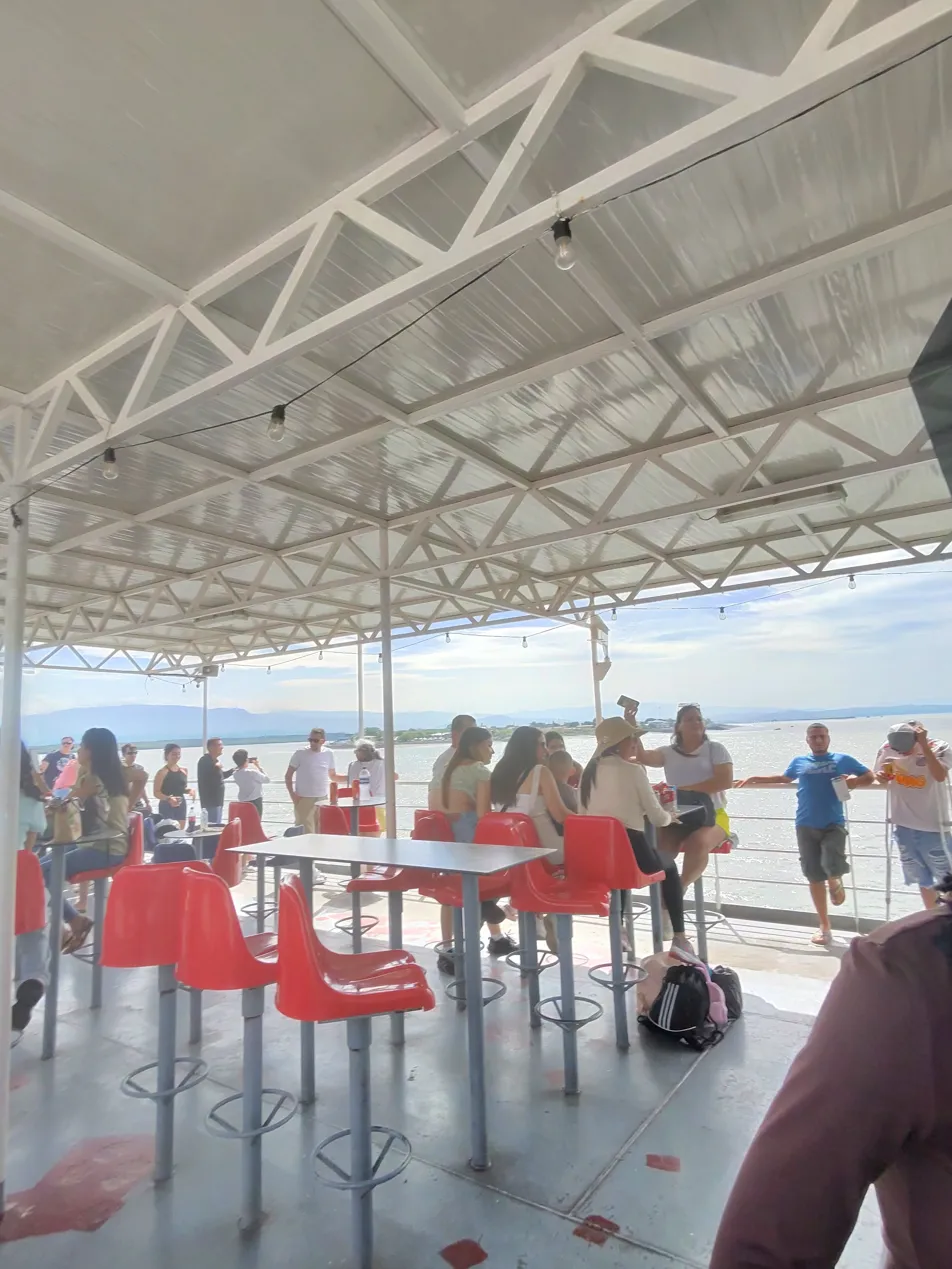
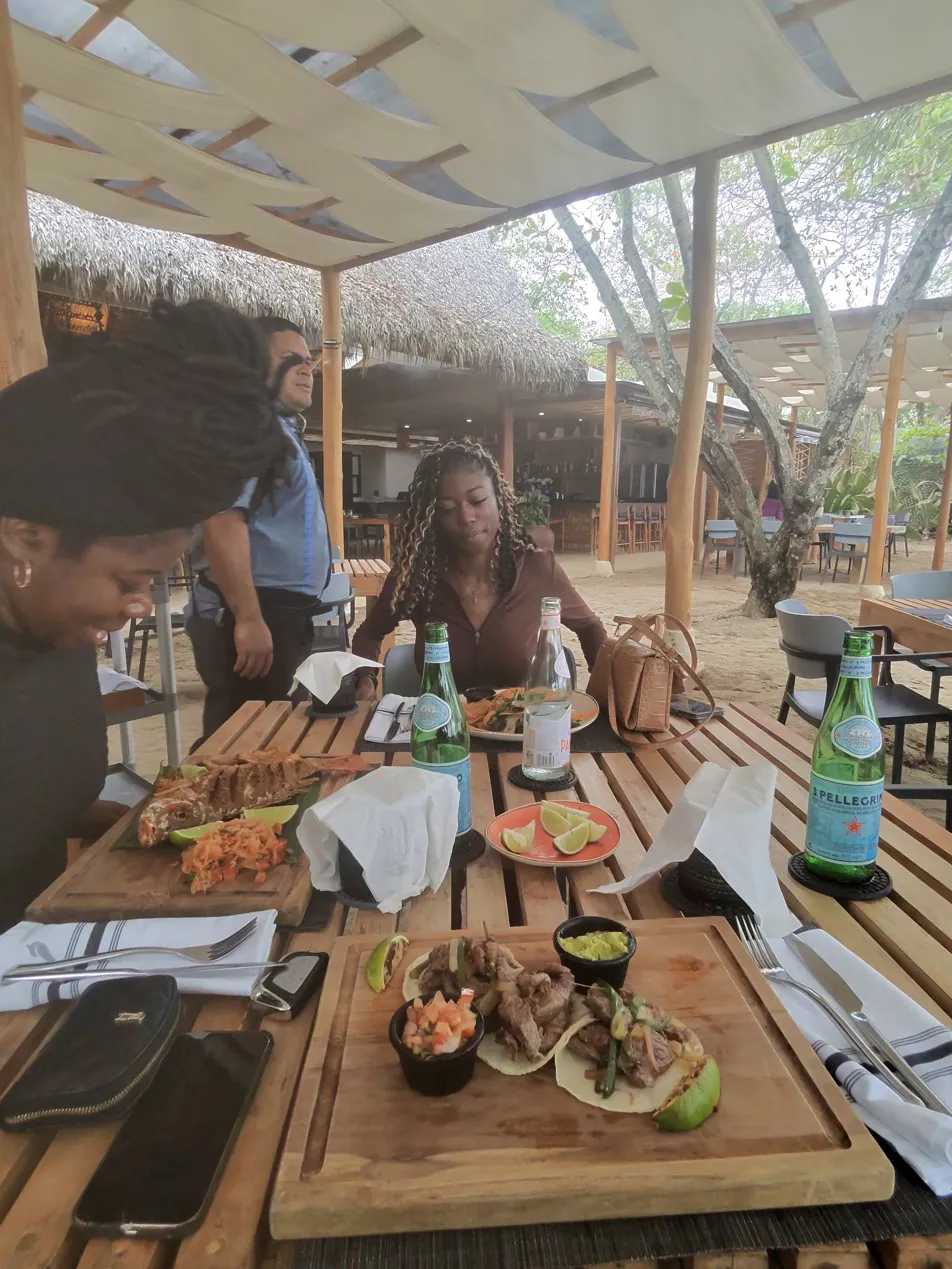
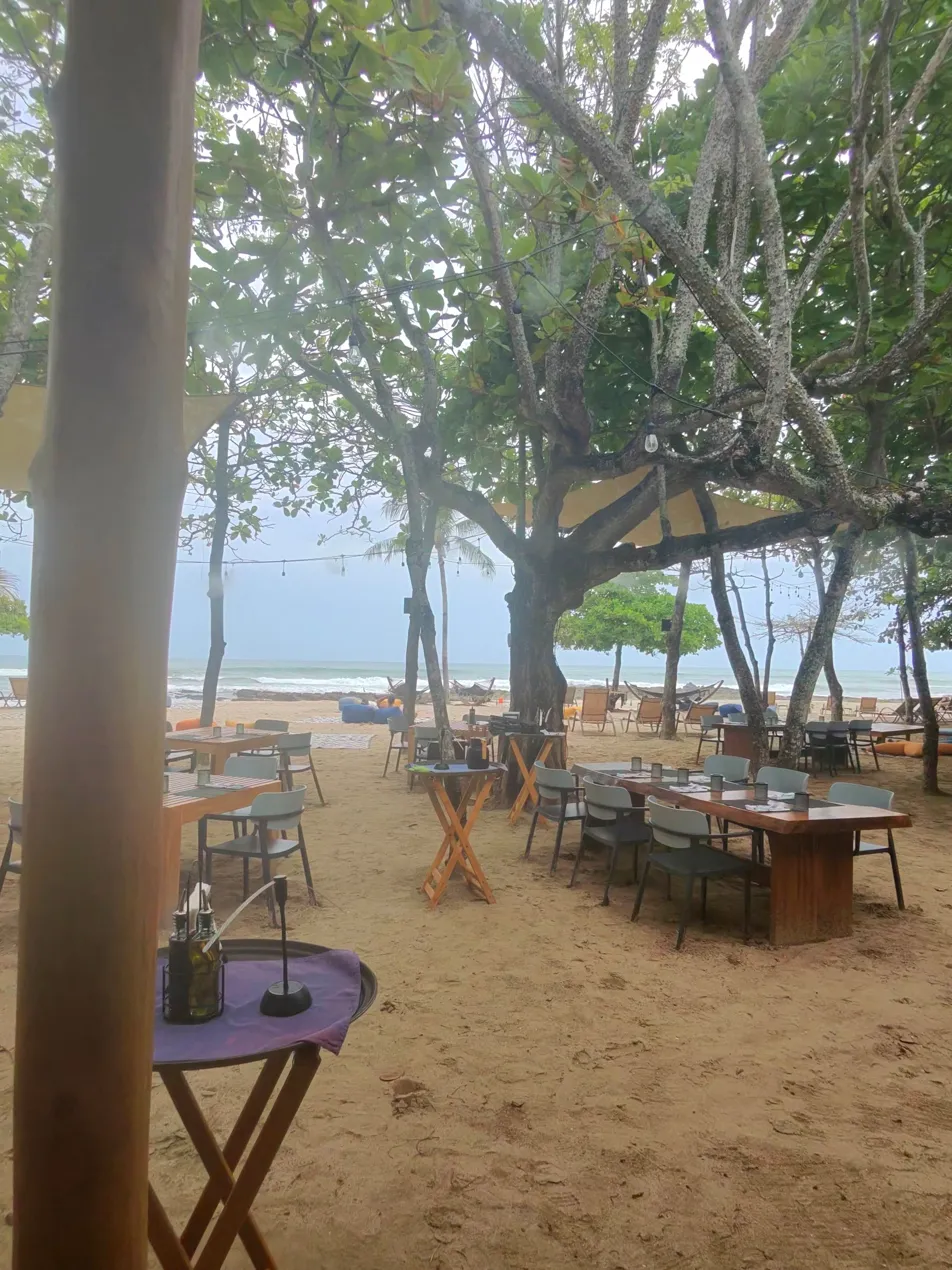
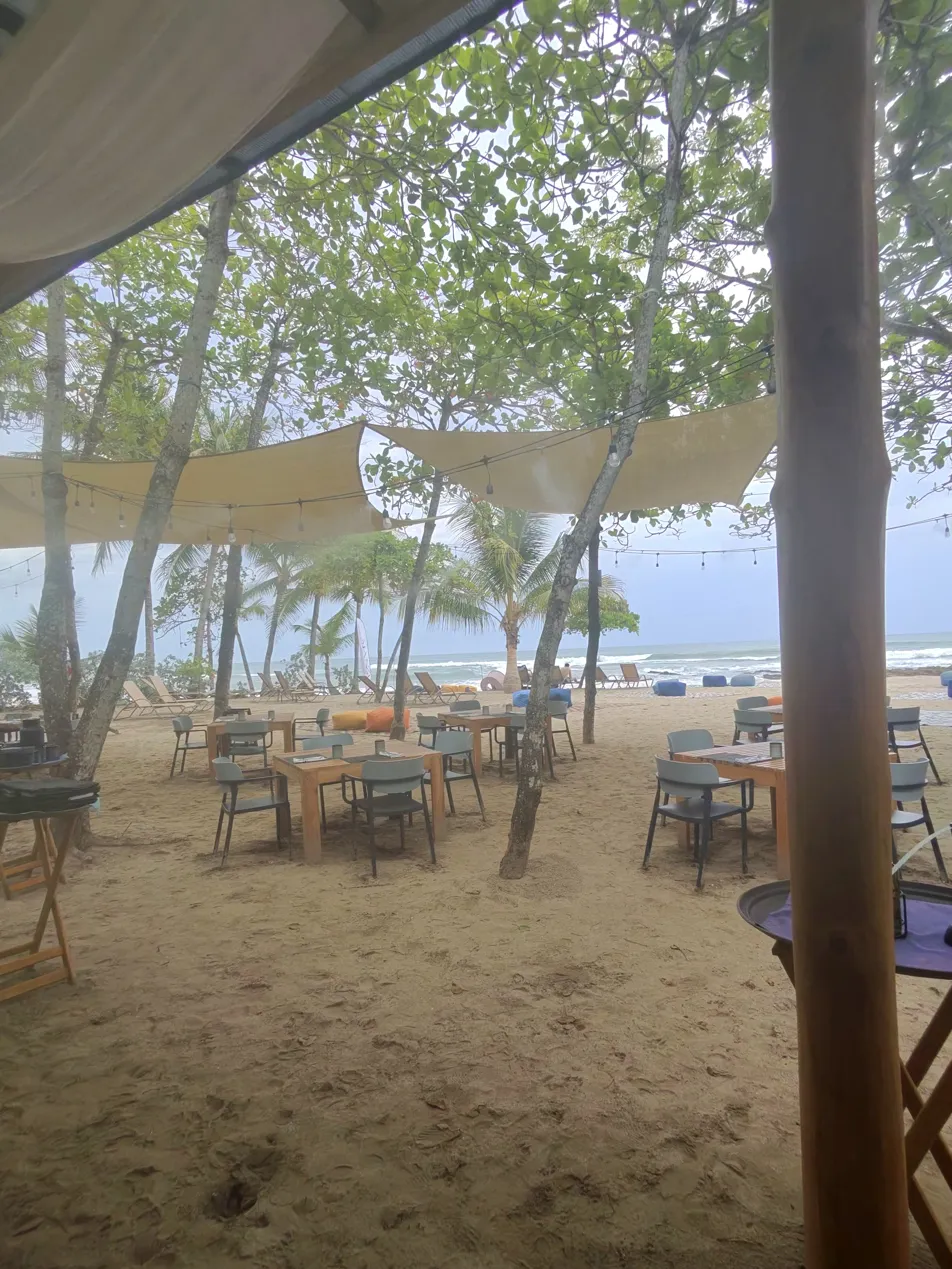
While we waited for check-in, we had lunch at Manzú. Good call. If you're arriving via ferry and have time to kill before your accommodation is ready, that's where I'd send you.
The Accommodation — Read This Before You Book
We almost didn't stay where we ended up. The first property we booked sent a message after confirmation letting us know a 4x4 was required to access it — information that wasn't in the listing. Then came the news that the sauna, also not mentioned as an add-on, was an additional charge. We made the decision to switch.
The place we landed was a condo in Malpais, just outside the center of Santa Teresa. Beautifully decorated. Clean, well-appointed. But the Airbnb announcement after booking gave the impression of a private villa with a private pool. What we found was a small multi-unit building with a shared pool.
No complaints about the space itself. But a shared pool on a girls' birthday weekend? It killed the vibe.
If you're planning something similar — a group, a celebration, a trip where the accommodation is part of the experience — read every word before you book and ask directly about anything that matters. Don't leave it to listing copy.
My recommendation: arrange 4x4 transportation and book an oceanview villa directly, or stay somewhere with a known standard. I'd point you toward Casa Chameleon — I know the brand, I trust what they deliver, and that's the kind of experience this trip was meant to be.
The Food Is Where Santa Teresa Earns It
This is where my impression of the whole place turned around.
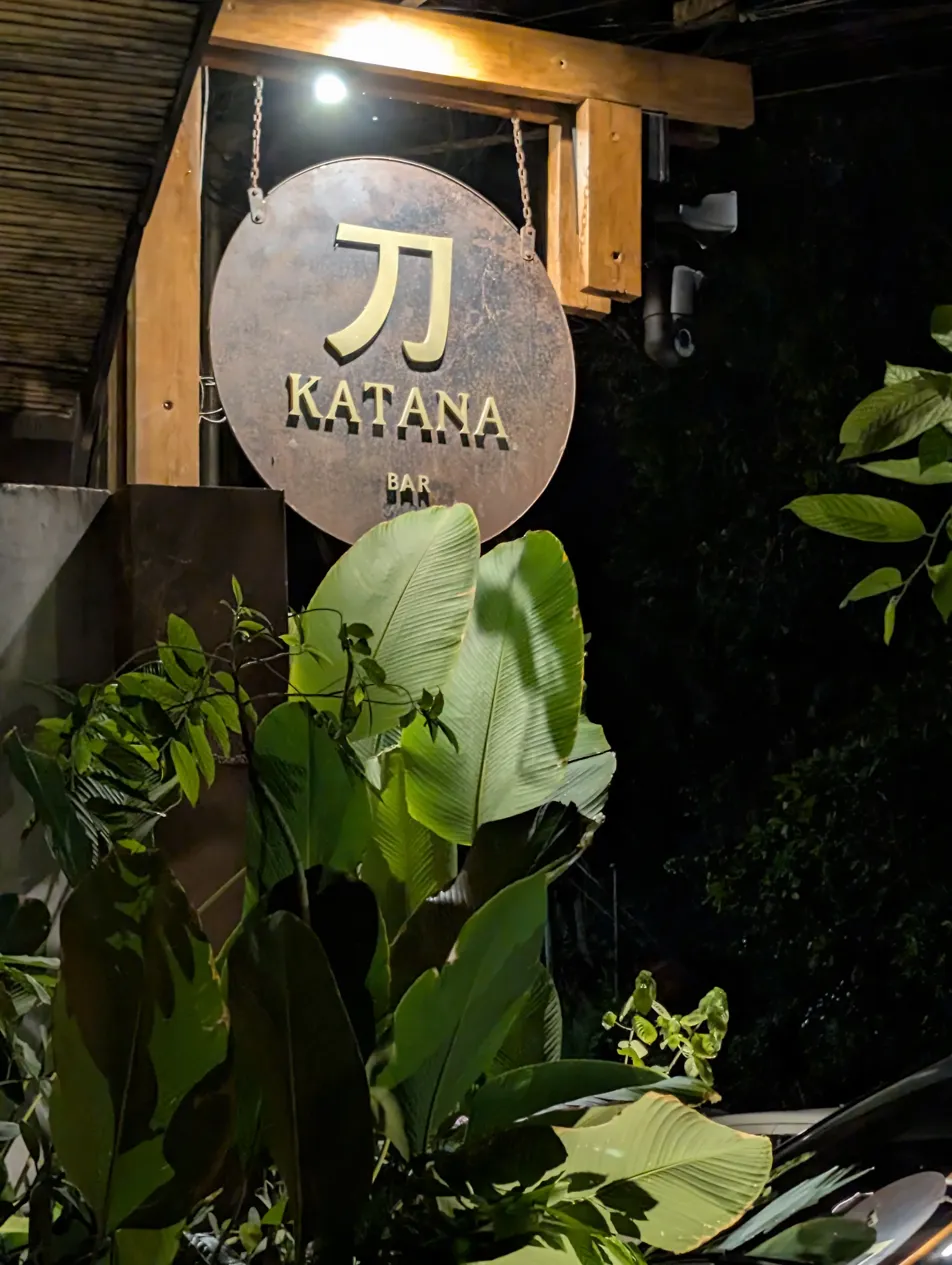
Dinner at Katana was the highlight of the trip. Full stop. We had a reservation for opening time. As we were getting settled, someone nearly ran us over to get through the door — no reservation, just urgency. Within minutes we understood why. The room filled instantly. The food was exceptional, the kind of meal that reframes a whole destination. I left with a completely different read on what Santa Teresa actually offers.
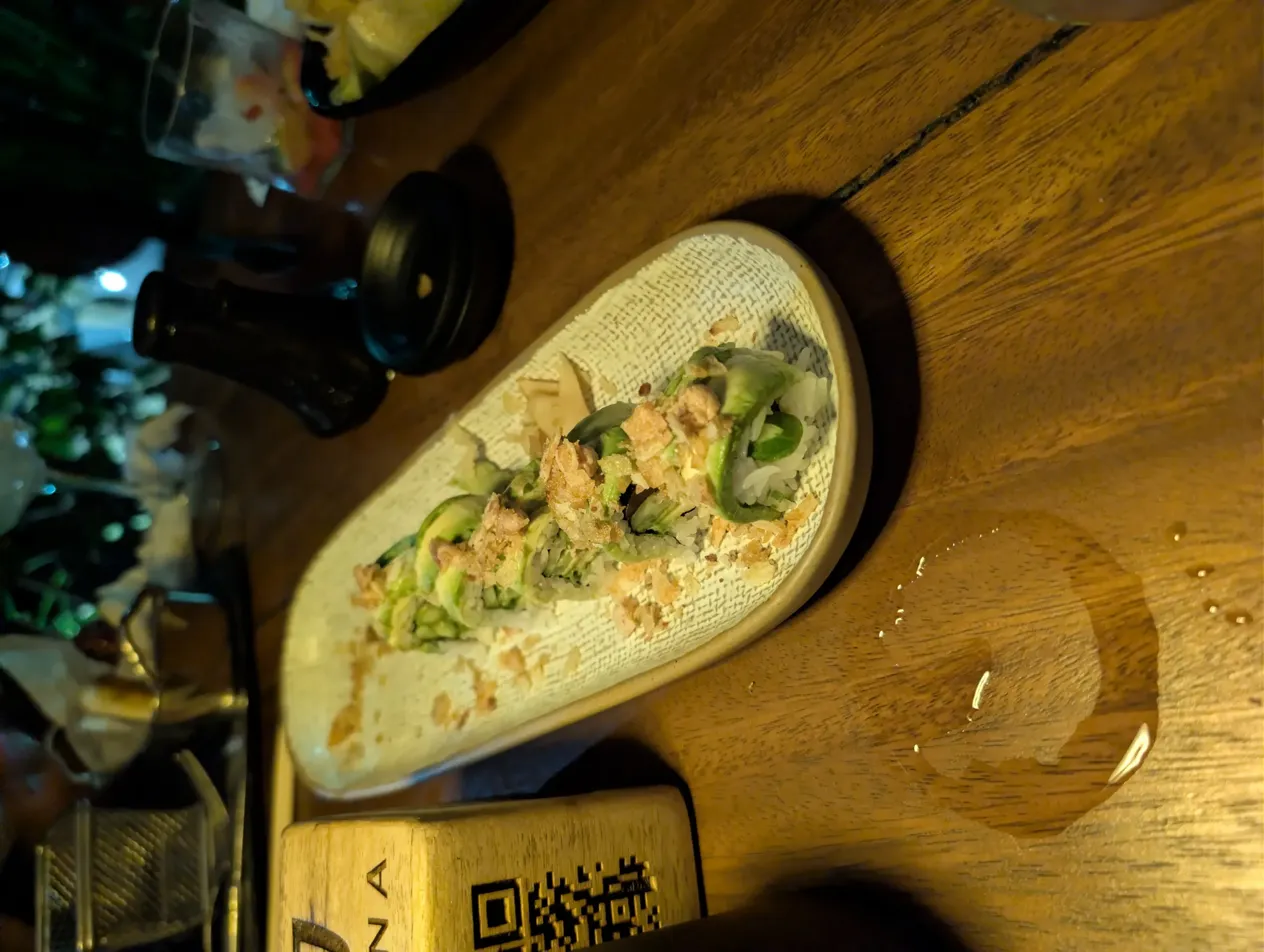
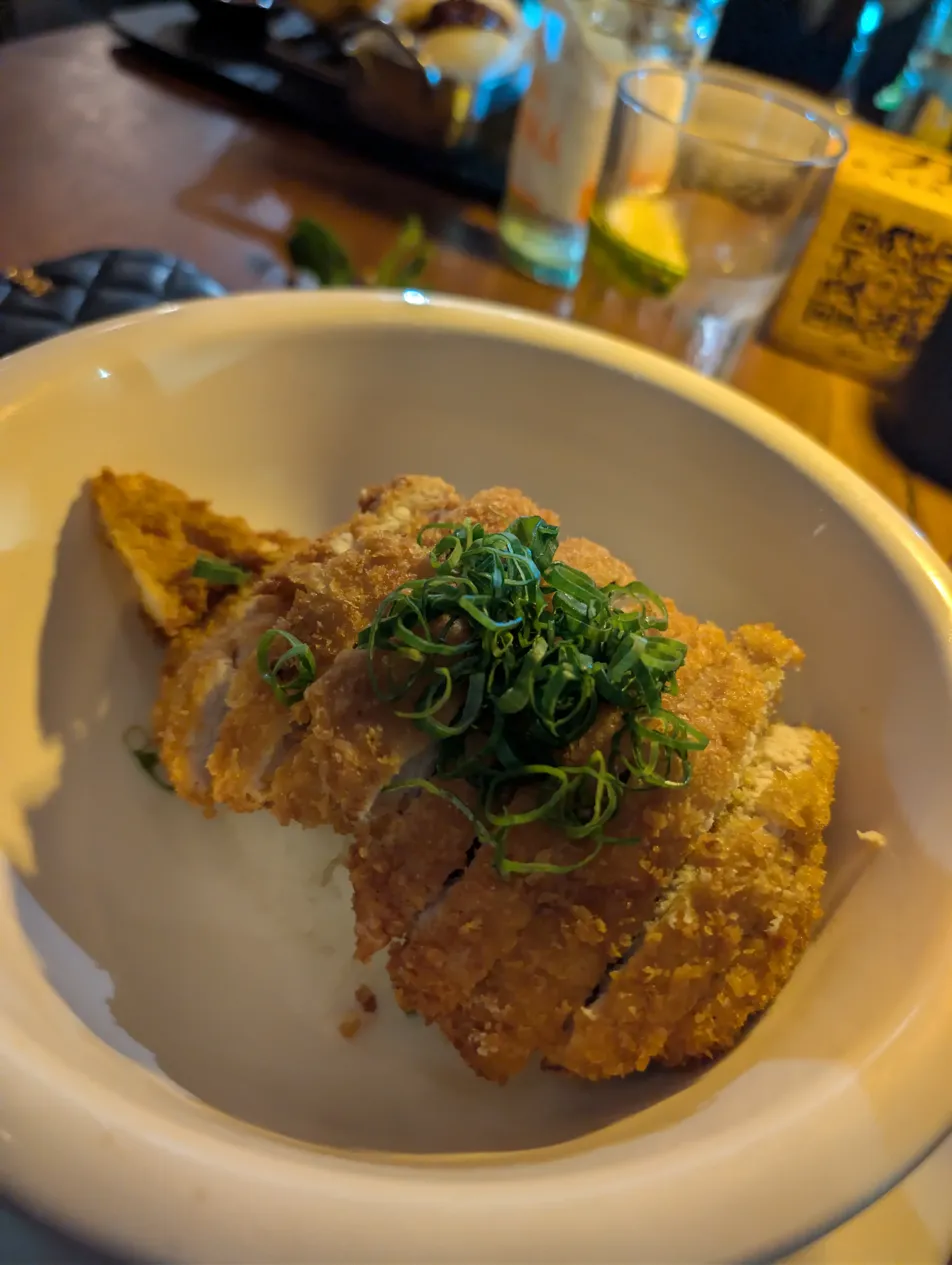


Once I started paying attention, I noticed the range. This isn't a beach town with two restaurant options and a smoothie stand. The dining scene has real depth if you know where to look.
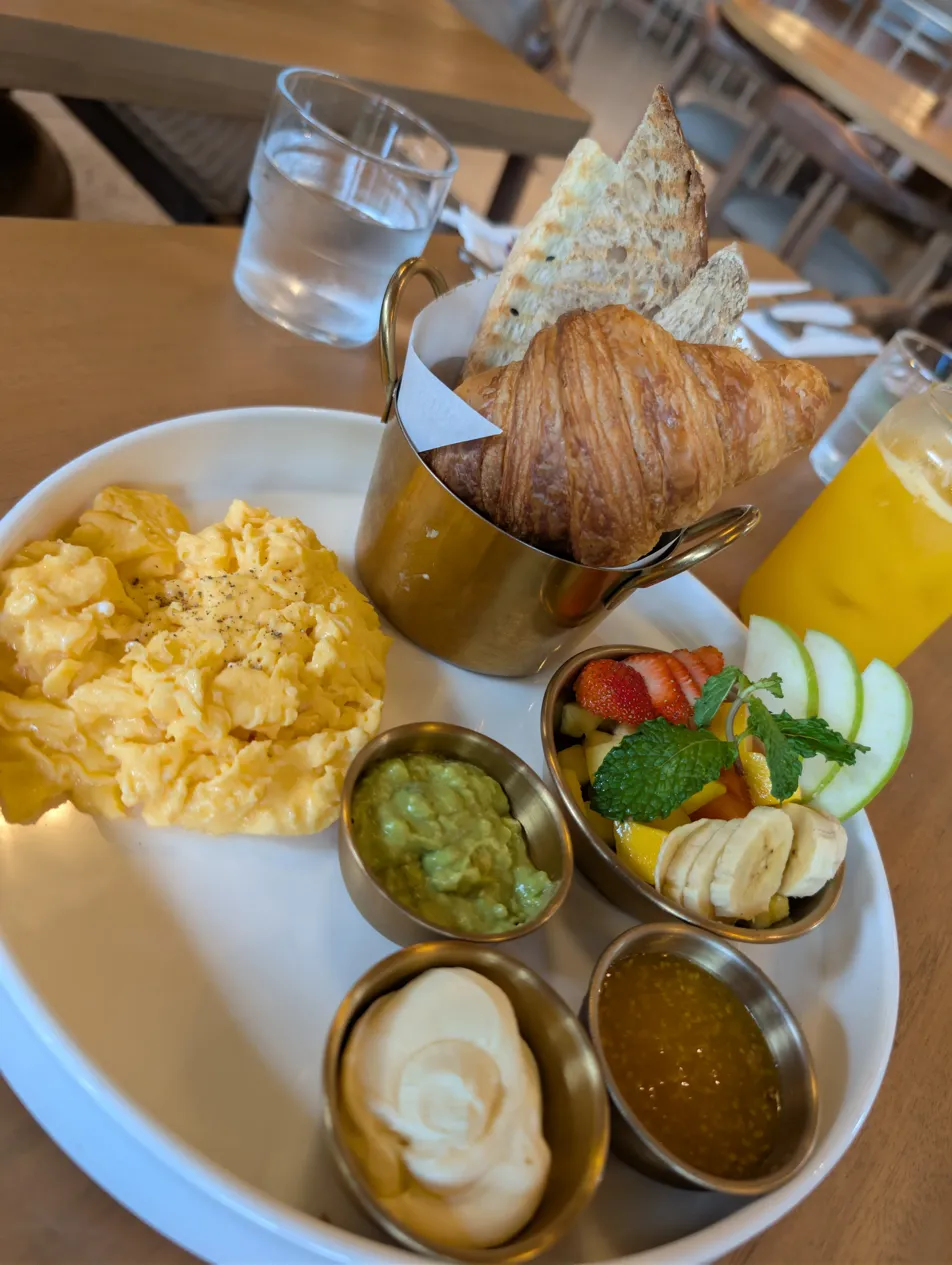
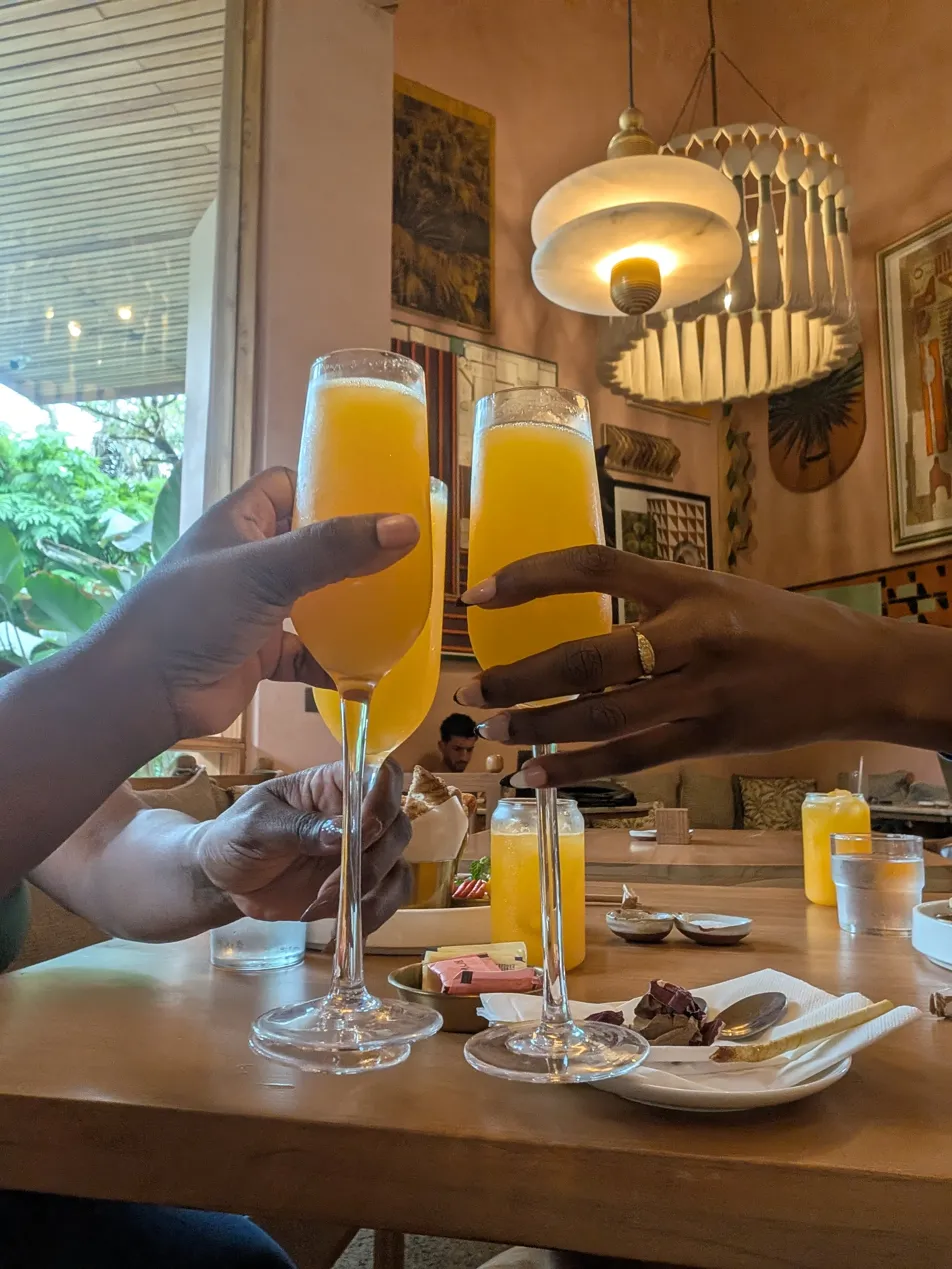
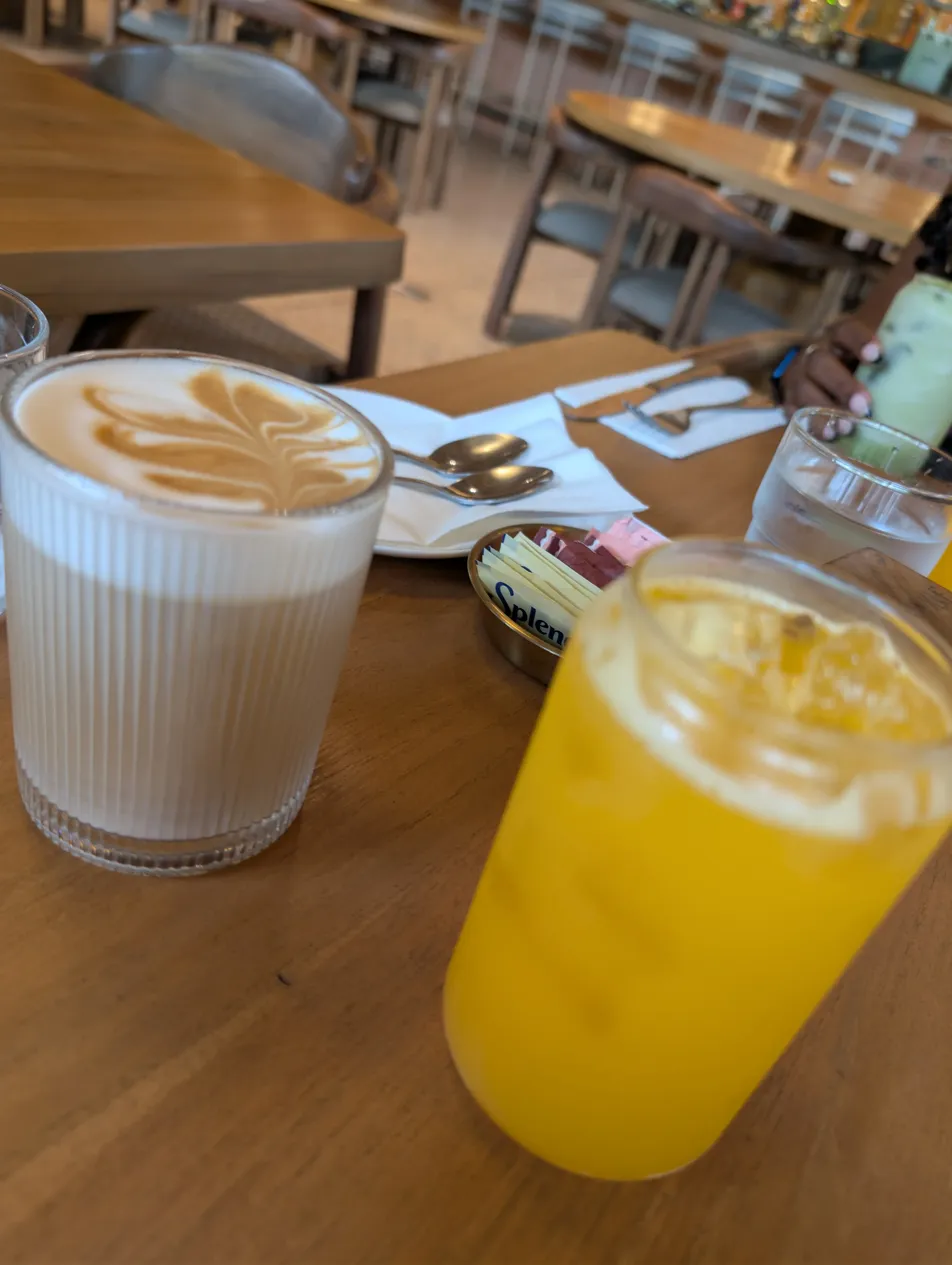
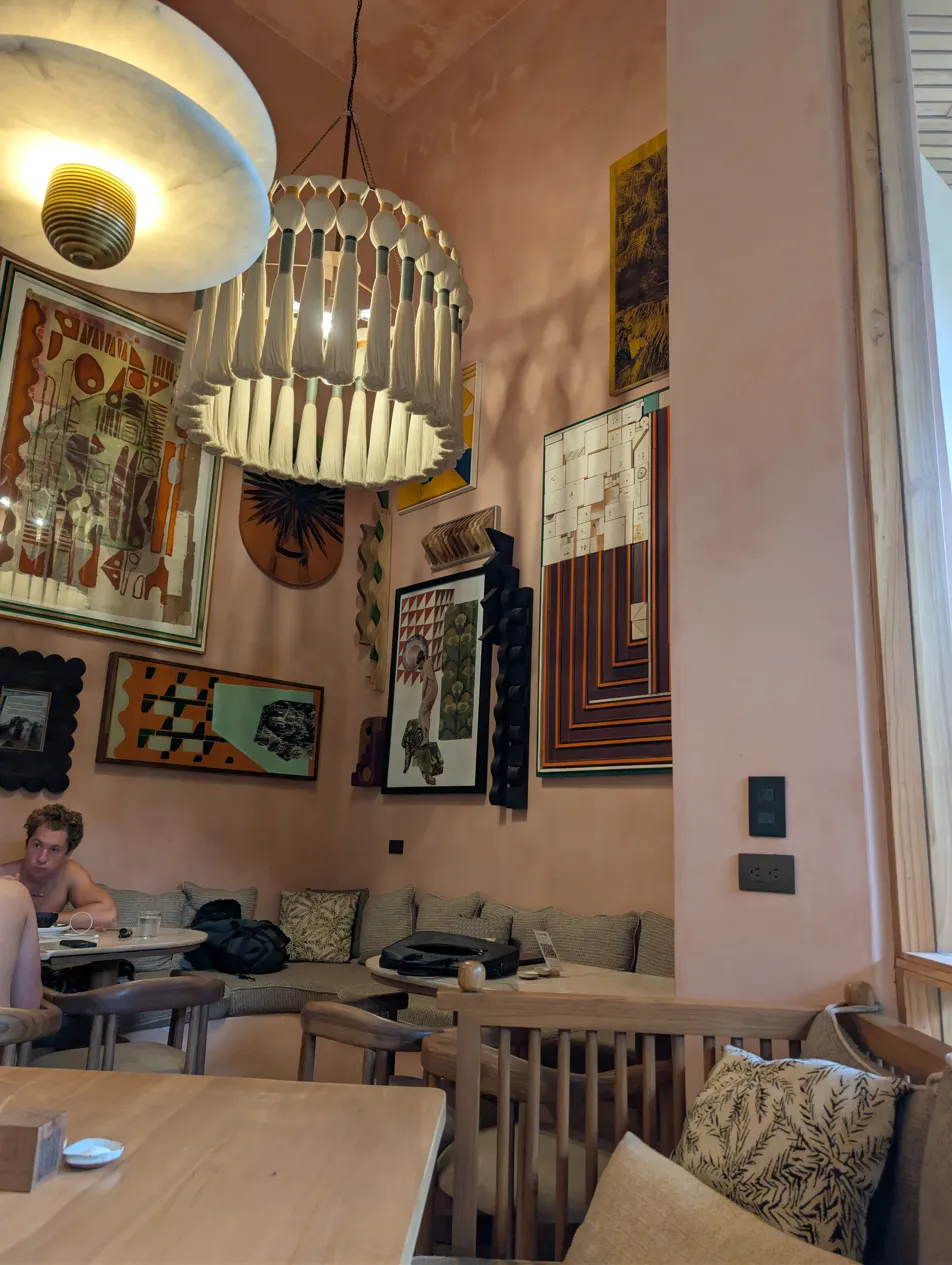
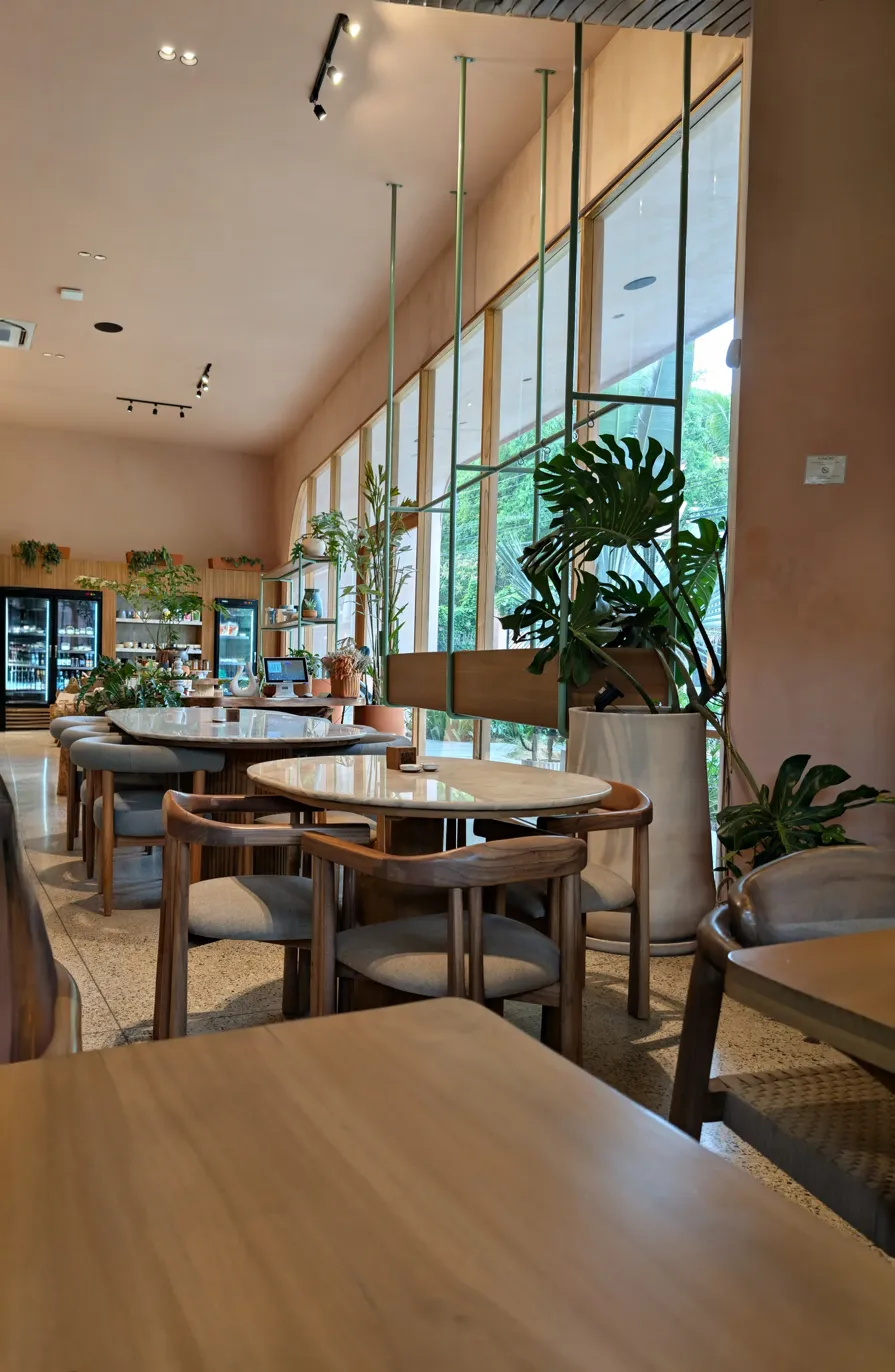
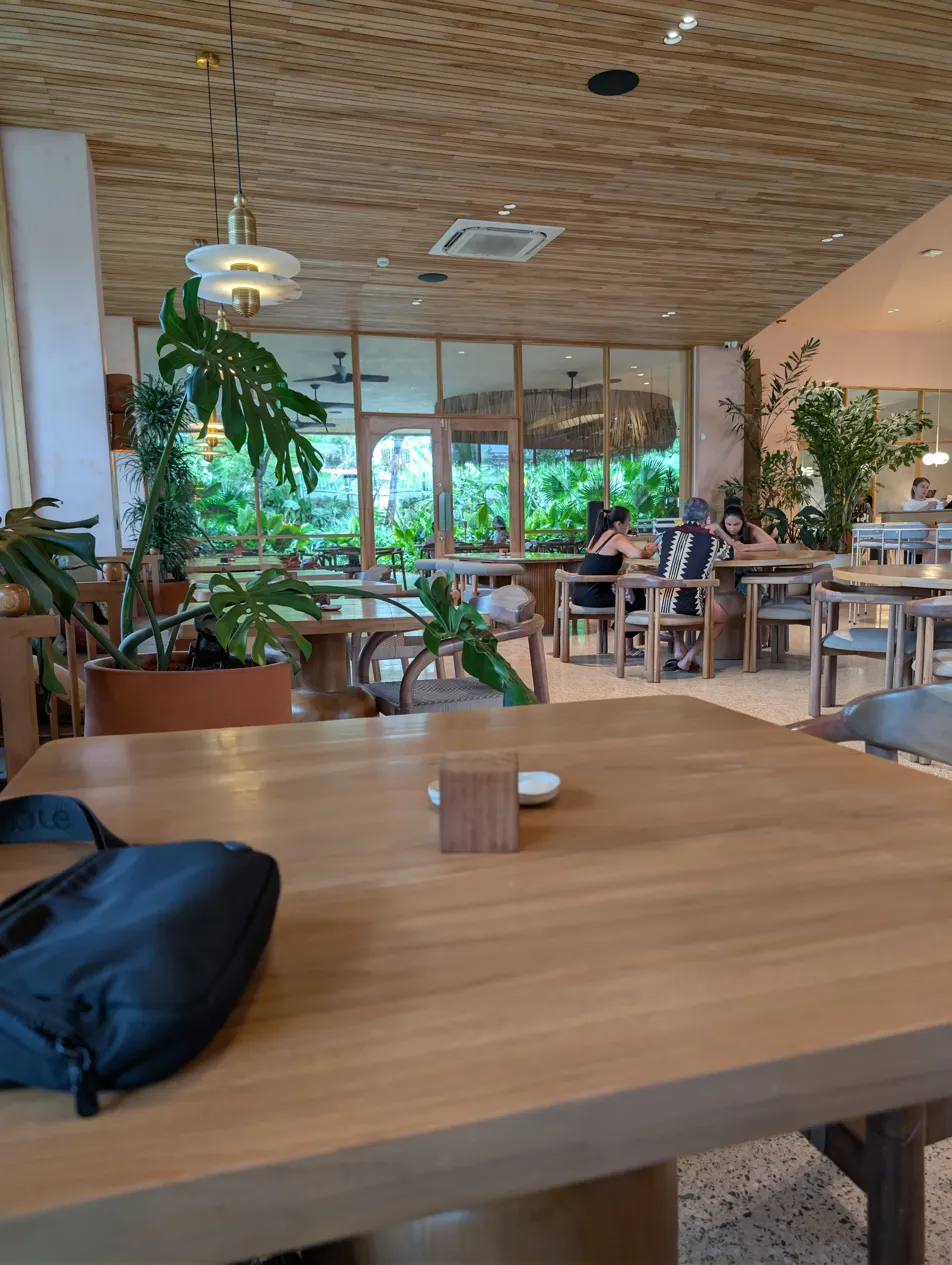
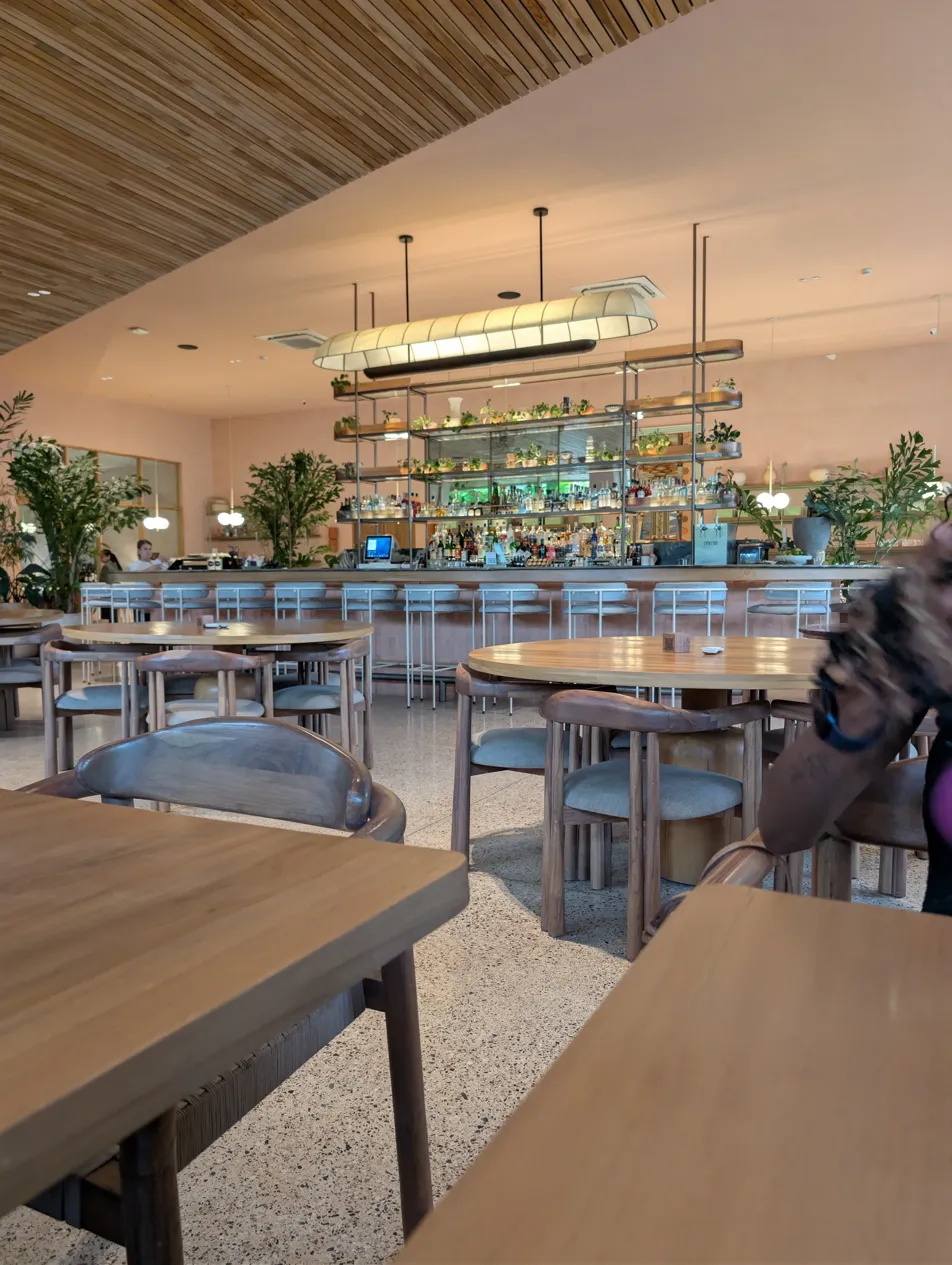
Breakfast at Namoré the next morning was another good one. Simple, done well. As we were leaving I noticed the entire operation was run by women. Worth supporting.
The Drive Back — Book Your Ferry
We left about an hour before checkout, which felt responsible. It wasn't.
We hadn't booked the return ferry. By the time we arrived in Paquera, the next two sailings were fully booked. So we drove the long way around — which would've been fine, except the construction of a new overpass had disrupted the route in ways that neither GPS nor common sense could fully account for.
At one point there was no cell signal and the maps were outdated. Cars just followed each other, taking directional cues from good samaritans at the side of the road, waving people away from their GPS routes toward the incomplete stretch of highway. Honestly, it felt reassuring — strangers looking out for strangers, everyone just trying to get home.
The construction delay added 31 minutes. No accidents. Everyone got through.
Then came the Panamerican Highway.
Because it was a holiday weekend, traffic leaving San José had been diverted so that incoming traffic could use all lanes in both directions. That means driving on what is normally the opposing side of the highway. That part was genuinely unsettling. Managed, organized, but the kind of thing that keeps every nerve engaged until you're through it.
We left sunshine behind in Santa Teresa and arrived home around 6pm to a quiet, rainy Sunday evening. The kind of ending that makes a trip feel complete.
So — Is It Livable?
That was the real question I went back to answer.
Five years ago, Santa Teresa felt more raw. The infrastructure has improved. The dining scene has matured significantly. The area has clearly attracted investment and a more established expat presence.
But the Blue Zone designation belongs to the town of Nicoya and its people — their diet, their community structures, their pace of life. What's happened to Santa Teresa is adjacent to that story, not the same one. It's become a destination. A surf town with real money moving through it. The wellness marketing follows. Whether any of that connects back to what actually made the Nicoyan population live longer is worth questioning.
For someone considering it as a place to live rather than visit: the lifestyle is genuinely beautiful if the pace suits you. The food is better than its reputation suggests. The natural environment is exceptional. But the infrastructure gaps are real, services are more limited than the Central Valley, and the cost of living has risen considerably as the area has become more known.
It's not the answer for everyone. But it's a real answer, which is what I went to find.
What I'd Tell You If You're Planning This Trip
Santa Teresa rewards you if you go in with the right expectations and the right logistics.
The vibe is relaxed in a way that can read as boring if you're used to more stimulation. Give it time. The food scene is genuinely good. The landscape is beautiful. Malpais specifically has a quieter energy than the center of Santa Teresa, which depending on what you're after, is either exactly right or not right at all.
Practically: book your ferry both ways before you leave home. Don't rely on walk-up availability on a holiday weekend. If you're driving, check the route conditions — construction has changed things and the maps haven't caught up. And if the accommodation is central to your plans, verify every detail directly. Don't assume.
If you're considering Costa Rica as more than a destination — if you're thinking about what it would actually look like to live here — that's a different conversation. One worth having before you make any major decisions.
Start with our complimentary 15-minute consultation.
Your NEXT Chapter Starts Here.